Furnace Safety Checklist: Keep Your Home Safe & Cozy This Heating Season
Are you turning on the heat on these chilly October mornings?
As November approaches, temperatures dip low enough that you know it’s time to fire up your heating system. Here are some simple safety checks to do as heating season approaches:
Brush Up on Carbon Monoxide Basics
Carbon monoxide is a colorless, odorless gas that is created when fuels such as natural gas and propane don’t burn completely.
Your furnace is designed to safely vent CO outdoors, but issues with your heat exchanger or flue could allow it to leak into your living space. It’s important to know the symptoms of CO exposure:
Headache
Dizziness
Nausea
Confusion
Fatigue or shortness of breath
In addition to recognizing the warning signs, there are two easy ways to ensure that your furnace is working properly: CO detectors and a professional inspection.
CO Detectors Are Your First Line of Defense
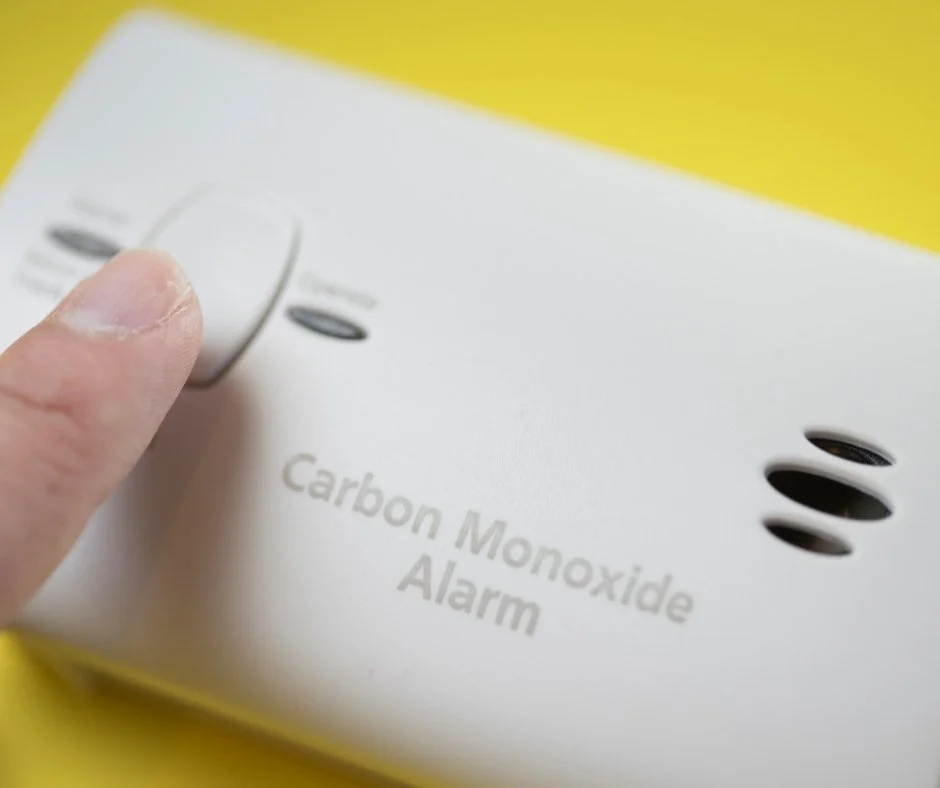
Make sure you have a CO detector on every level of your home, including the basement, and outside each sleeping area. Test your detectors monthly, and replace them according to the manufacturer's guidelines (generally every 5 to 10 years).
If a CO alarm sounds, get everyone outside right away and call 911.
Peace of Mind Starts with a Professional Inspection
When it comes to making sure your heating system is working safely, trust the professionals. A routine inspection goes a long way toward keeping your family safe and boosting the efficiency of your system.
For over 100 years, W.E. Brown has helped Charlottesville families get comfy, and we recommend two HVAC inspections each year: once during cooling season and once during heating season. Your HVAC technician can spot safety issues like cracked heat exchangers, venting problems, and gas connection issues before they become emergencies.
Furnace Warning Signs
A lingering smell. A slight smell when you fire up your furnace for the first time in months is normal. It's concerning if that smell lasts for days after you start the system.
A rotten egg smell. This is a sign of a possible natural gas leak (not CO, which has no odor). Leave the home right away, avoid flipping switches or using your phone inside, and call 911 or your gas utility from outside.
Strange noises or frequent cycling. Banging, rattling, or a system that turns on and off more often than usual is a sign something needs attention.
Rising energy bills. If your bills climb with no change in usage habits, it's time to have an HVAC technician check your furnace.
Simple Checks
Filters. Check your filter every 1 to 3 months during heating season, and replace it if you notice buildup or discoloration.
Clear space. Keep a clear zone of about 3 feet around your furnace, and don't store flammable items like paint and cleaning supplies nearby.
Outdoor vents. Make sure exterior vents and flue pipes are free of leaves, debris, and (later this winter) snow. A blocked vent is a common cause of CO problems.
Visual inspection. Look over your unit every 30 days for moisture and rust.
Head into the Cozy Season with Confidence
With all of this in mind, you can head into the cozy season feeling confident that you’re doing everything you can to keep your family safe.
If you live in the Charlottesville, VA area, give us a call (434-202-6764) to schedule an HVAC inspection. Our Service Partner Plan includes two HVAC service checks per year, priority service, 15% off repairs, and more.