My AC Is Leaking! Is It Water or Refrigerant? Here's How to Tell
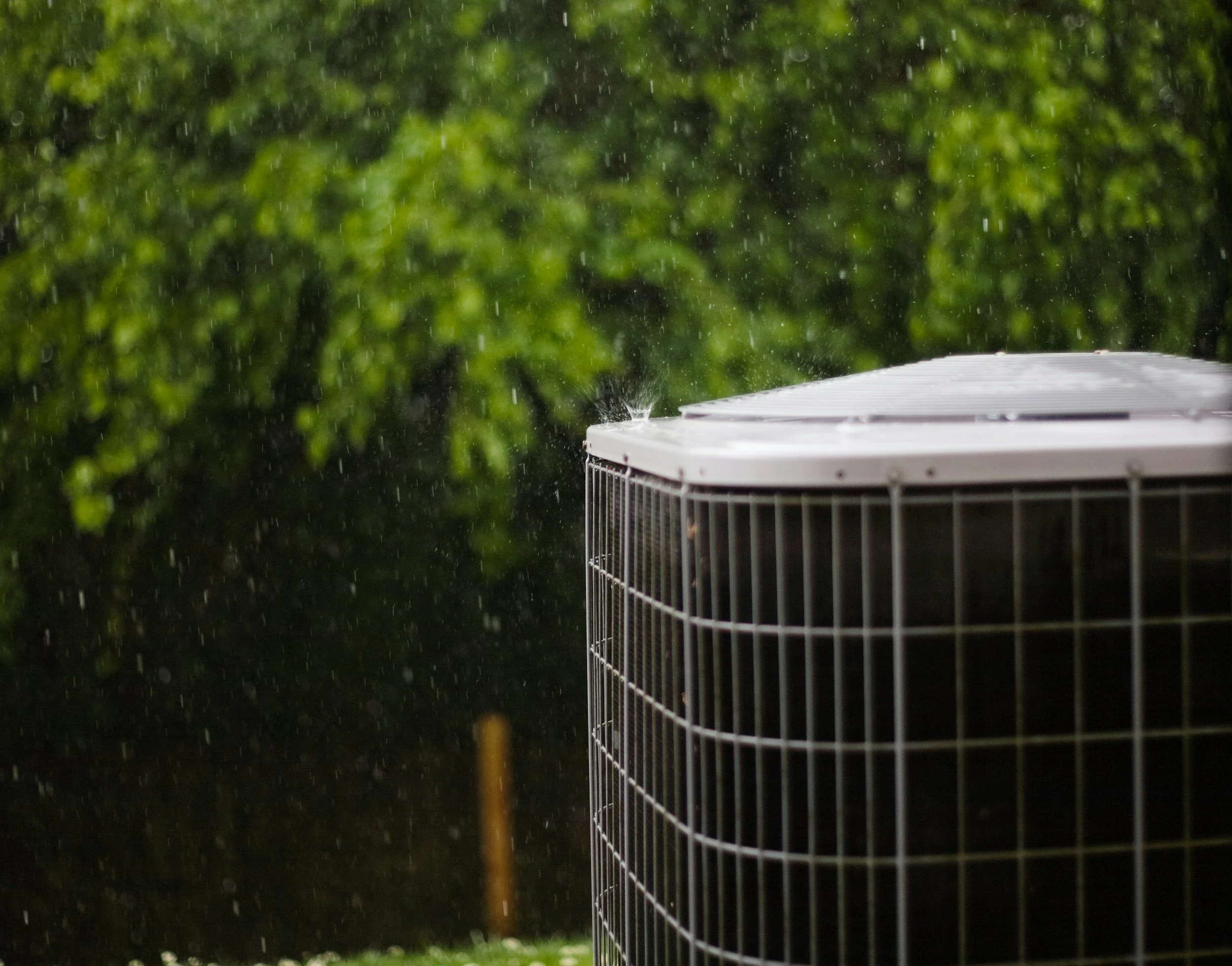
Spotted a puddle near the indoor components of your HVAC system? You’re in the right place.
Before you run for a towel to take care of that leak, it’s important to determine whether it’s water or refrigerant.
These two types of AC leaks look similar, but the difference can be a small fix or a broken compressor and expensive energy bills.
Why Your HVAC System Produces Liquid
As your HVAC system cools your home, it pulls moisture from the air, which condenses and collects in a drip pan, then leaves your home through a drain line.
In comparison, refrigerant runs through the system on a closed loop, meaning it doesn’t need refilling. If your refrigerant is leaking, something in the system is broken.
How to Tell the Difference
You’re most likely dealing with water if:
Your home is still cooling normally
The puddle is under the air handler (the indoor component of your AC)
The drain pan is overflowing
On the other hand, if your AC is barely cooling your home even when it's on and your energy bills are higher than usual, you might be dealing with a refrigerant leak.
Here are some signs that can help you diagnose this:
You can hear hissing or bubbling near the unit
You can see frost on the copper lines going to your condenser (outdoor unit)
There’s a chemical or faint sweet smell near your unit
How to Address a Water Leak
A water leak is typically a simple fix. It’s often the culprit of a clogged drain line. Here’s how to fix this on your own:
Make sure to turn off your system
Use a shop vac to clear any clogs
Clear the line with vinegar or bleach to remove any mold or mildew
If you’re wary of DIY fixes and want a second opinion, give your HVAC technician a call!
How to Address a Refrigerant Leak
If you’ve determined that you’re dealing with a refrigerant leak, it’s important to address the issue right away and seek professional help. According to the EPA, anyone working with equipment that could release refrigerants into the atmosphere must be certified to work on it. (EPA)
Running your system on low refrigerant is like driving your car with the oil warning light on: It can cause serious damage and make it prone to breakdowns.
Low refrigerant levels put stress on your compressor (the most expensive part of your system).
Did you know?
There are safety measures that can be installed with your system to prevent unwanted leaks and water damage.
Unsure whether your leak is water or refrigerant? If you’re in Charlottesville or a surrounding county, give W.E. Brown a call at (434) 218-4487, and we’ll help diagnose your issue!