Signs Your Home’s Air Is Too Dry (and How to Fix It)
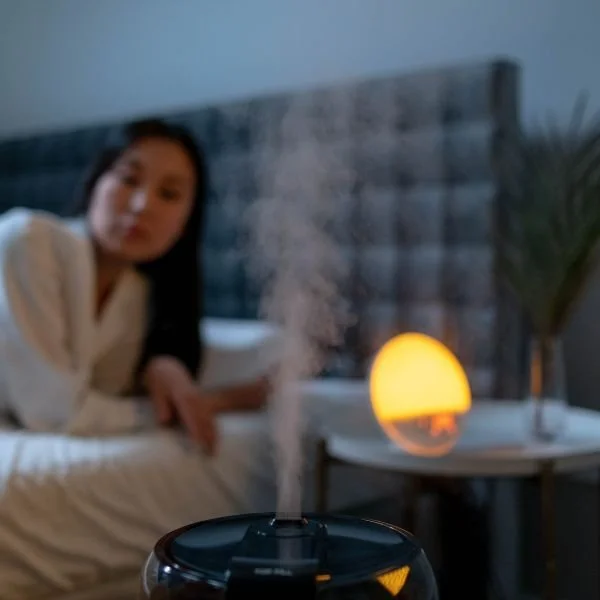
Dry indoor air is a common winter issue that affects many homeowners, but there are some simple ways to make your space more comfortable.
Here are some telltale signs that your air is too dry:
Dry skin, irritated sinuses, or itchy eyes
Sore throats and nosebleeds
Increased allergy/asthma symptoms
Lots of static electricity
Cracks in wood floors, furniture, and trim
What Causes Dry Air in Winter?
In general, the cold outdoor air holds less moisture, and heating indoor air lowers the relative humidity. In the cooler months, you’re also less likely to open your windows and doors. This can create an overly dry environment, with humidity levels lower than the recommended 30-40% range in the winter months.
How to Improve Indoor Humidity Levels
Use Portable Humidifiers: When used properly, portable humidifiers can help add moisture to your air. It’s best to place them in your main living space or in bedrooms. Make sure to clean them often to avoid bacteria and mold growth!
Adjust Thermostat and Airflow Settings: To prevent excessively dry air, change your thermostat settings to avoid running the fan continuously. It can also help to lower the temperature by a degree or two. This may reduce the rate of moisture evaporation from the air.
Seal Air Leaks: Air leaks are common, particularly around doors and windows. Replacing weather stripping and caulking, or using draft stoppers, can help keep dry, cold air out of your home.
Change HVAC Filters Regularly: It’s important to check your HVAC filters every 90 days and change them if you notice build-up and discoloration. Your system will distribute humidity more evenly with a clean filter.
The Case for Whole-Home Humidifiers
Whole-home humidifiers work in tandem with your HVAC system, evenly adding moisture to the air. These devices allow you to control humidity without the hassle of portable humidifiers.
If you’re concerned about excessively dry air in your home, it might be time to call a professional. An HVAC expert will use a professional-grade hygrometer to measure humidity levels in various areas of your home. They’ll assess your system's performance and flag any issues that may affect your comfort. Ultimately, a professional evaluation can help you achieve your goal of improving humidity without creating mold or moisture problems.
If you’re in the Charlottesville, Virginia area, give us a call here at W.E. Brown!