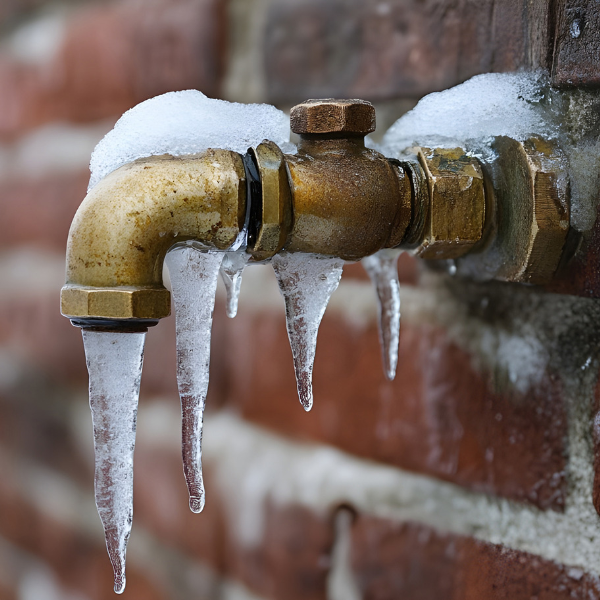
It happens this way every year: The temperatures dip below freezing in late October or November, and the frozen pipe calls start coming in. We hate to see this happen to our customers, but there are some preventative steps you can take to try to protect your plumbing system from cold weather damage.
Why do pipes freeze?
When water freezes, it expands, causing pipes to crack. A burst pipe can cost you thousands of dollars, and a cracked pipe may not start leaking until the ice thaws
Pipes often freeze in:
Unheated garages and attics
Outdoor spigots and hose bibs
Under sinks on exterior walls.
Crawl spaces
Unfinished basements
A few proactive steps in November can save you a major headache and spare you a hefty repair bill.
Why November is Peak Prep Time in Central Virginia
In November, overnight lows begin to dip below freezing, and you may not know that your pipes are vulnerable until it’s too late.
The Holidays: Late November and December are full of holiday celebrations and gatherings. Whether you’re hosting or traveling to visit friends and family, it’s important to take proactive steps to reduce the risks of a major plumbing emergency.
Beat the Rush: Plumbers inevitably start to book up when frozen pipe calls spike. Prepping for colder weather will help keep you from having to make an emergency call during a cold snap. Note: W.E. Brown Service Partner Plan members get priority service and discounted emergency service fees.
Your November Checklist
Disconnect your garden hoses
Turn off the indoor valves to outdoor spigots, then drain them
Seal drafts near pipes
Find your main water shutoff valve and make sure it’s working properly
Make sure your thermostat is set at 55°F or higher when you travel
When a freeze hits, here are some extra steps you can take to make sure your pipes don’t freeze:
Let faucets on exterior walls run at a drip
Let warm air reach pipes under your sinks by opening cabinet doors
Don’t use an open flame or torch to try to thaw pipes
Keep your garage door closed
Signs of a Frozen Pipe
Low or no water flow
Frost on exposed pipes
Gurgling or banging noises
Water stains
What to do if you suspect a pipe has burst:
Open a faucet to relieve pressure
Turn off power to any area with standing water
Shut off the main water shutoff valve
Call a professional
If you’re in the Charlottesville, Virginia area, the plumbing team here at W.E. Brown would be more than happy to help you with your plumbing system. We offer whole-home plumbing inspections to help you recognize potential issues, as well as:
Frost-free hose bib installation
Pipe insulation or heat cables
Repiping for old lines
Emergency service for burst pipes
For over 100 years, we’ve helped Charlottesville homeowners stay comfy, even when the temperature drops. Give us a call at (434) 298-2151 or visit the plumbing page on our website to learn more.